How to Sell a Historic Boulevard Home in Athens
February 19, 2026
February 19, 2026
You do not just own a house in Boulevard. You steward a piece of Athens history. If you are thinking about selling in the next 6 to 18 months, you likely want a plan that protects your home’s character and maximizes your return. In this guide, you will learn how to prep, price, and market a historic Boulevard property the right way, with clear steps, timing tips, and resources you can trust. Let’s dive in.
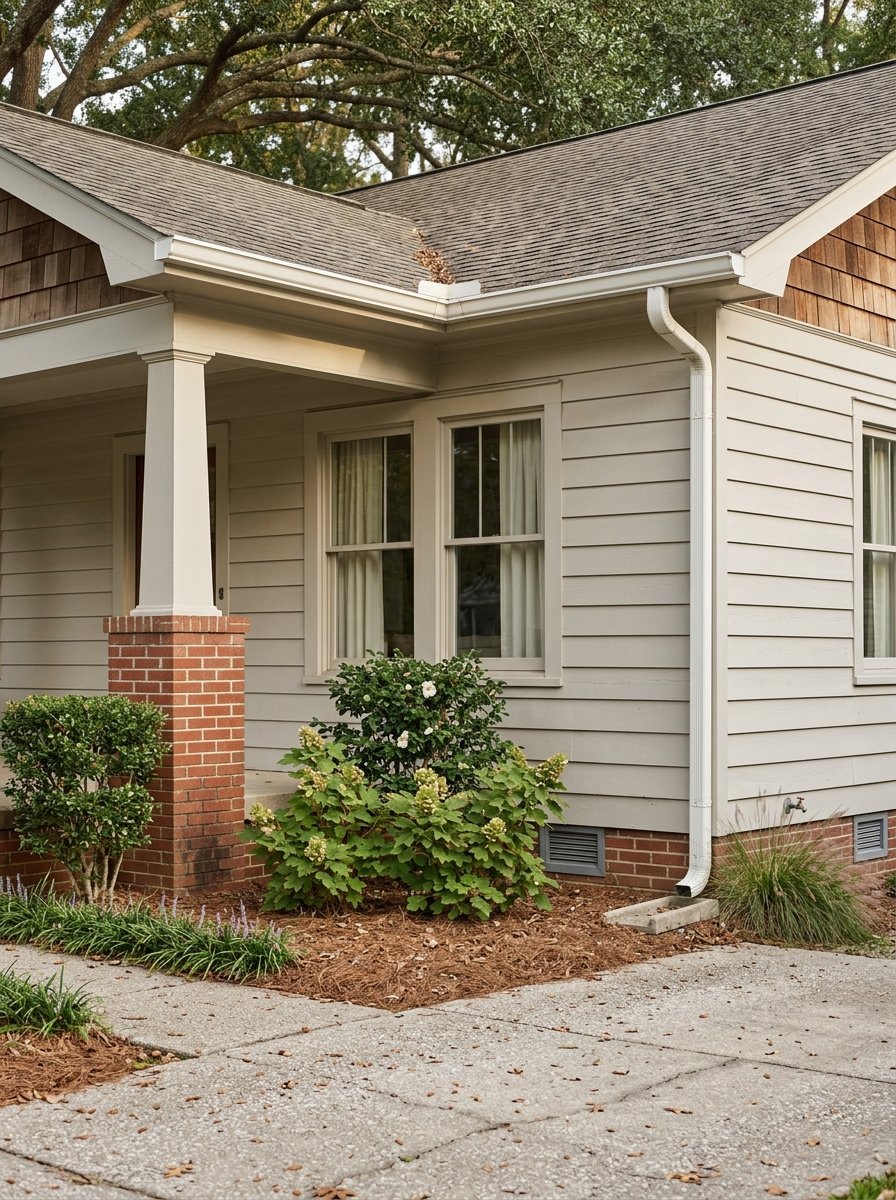
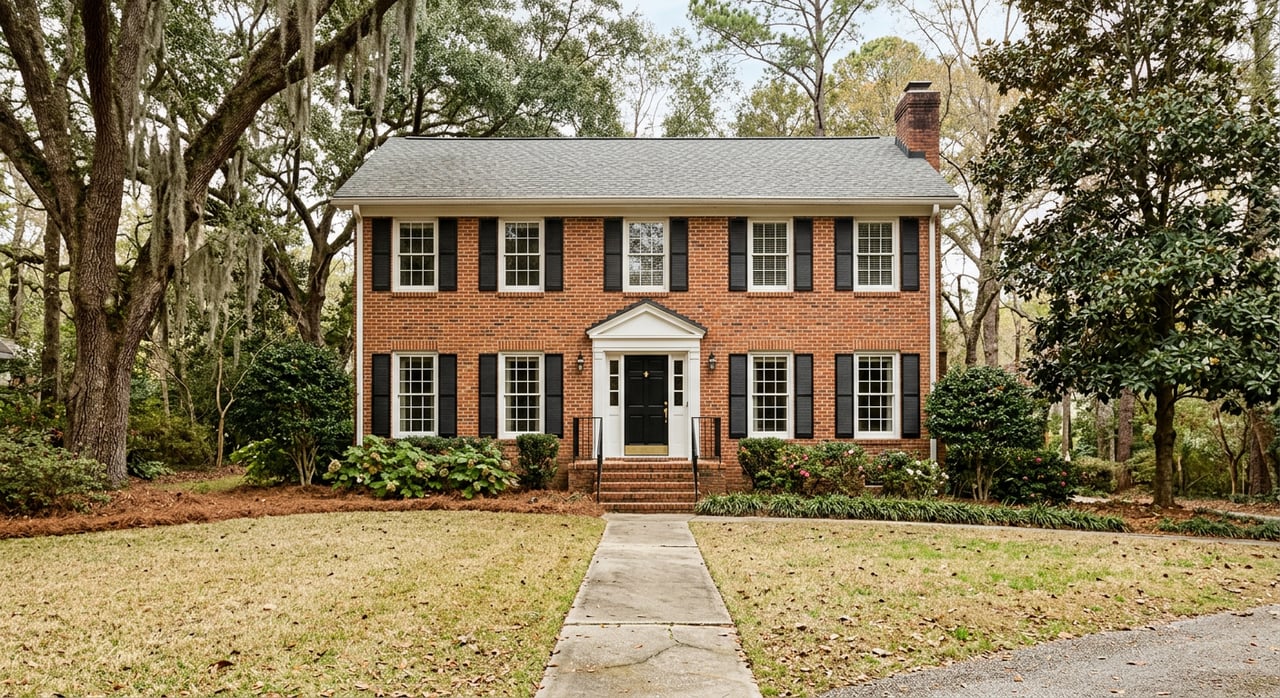
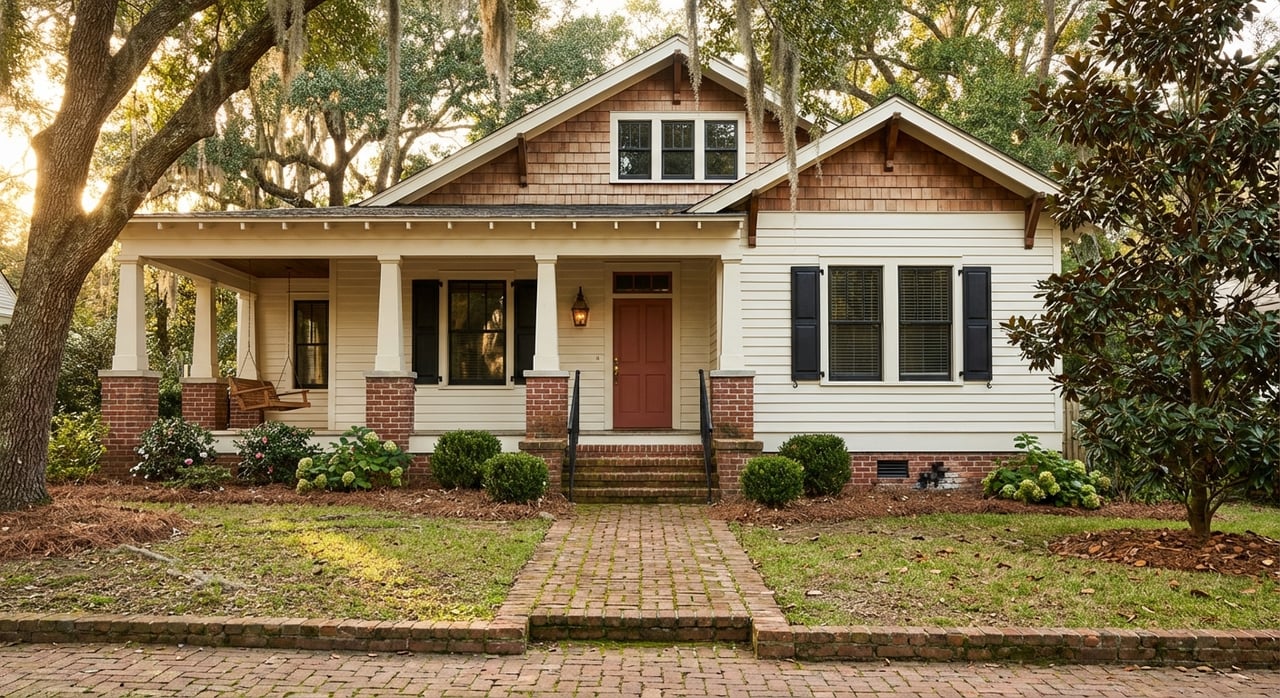
Boulevard sits just north of Prince Avenue in a locally designated and National Register historic district. The neighborhood grew as a late‑19th and early‑20th‑century streetcar suburb, with Queen Anne, Neoclassical, Bungalow, and American Foursquare homes that define its charm. You can explore a concise neighborhood history and boundaries through the Boulevard Neighborhood Association’s history overview.
Location helps. Boulevard is about one‑third mile from downtown Athens, close to restaurants, galleries, and small employers. This proximity supports steady buyer interest among people who value walkable, established streets. See an at‑a‑glance neighborhood profile at Visit Athens.
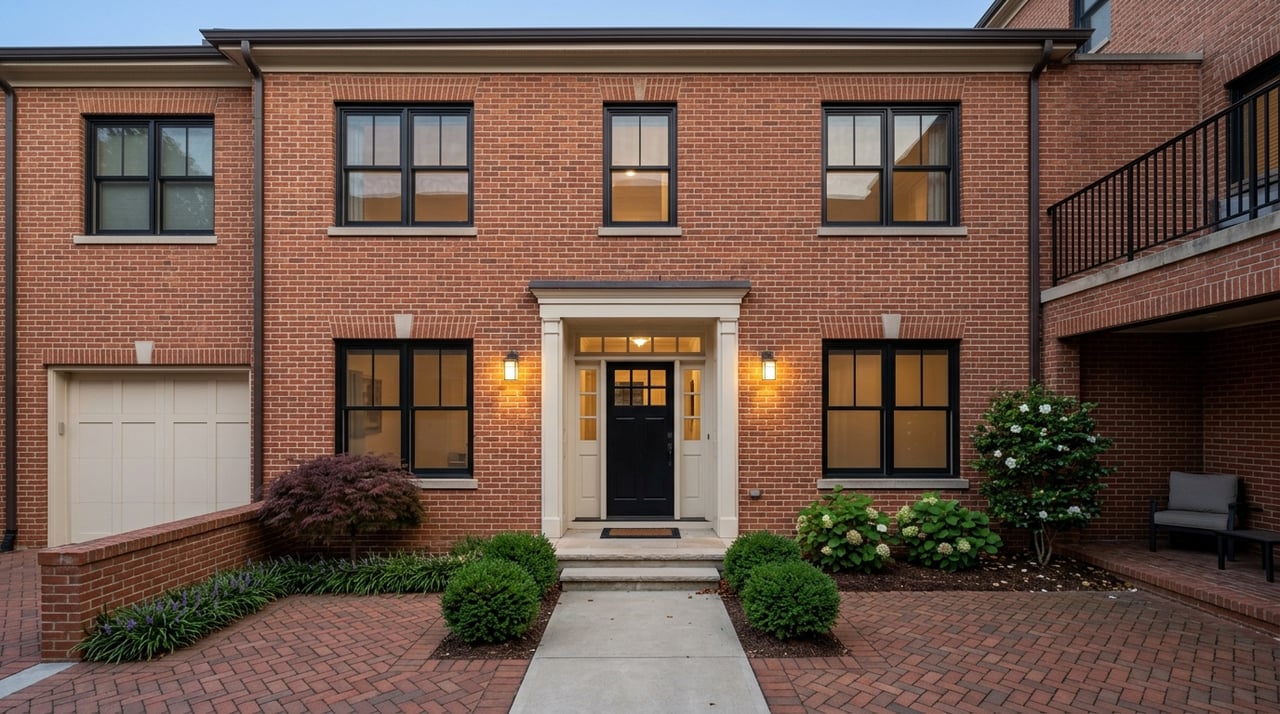
At the high end, recent renovated historic homes in Boulevard have reached seven‑figure sale prices. Those outcomes tend to reflect larger or rare examples with skilled restorations, not the average property. The takeaway: condition and authenticity matter.
If your home sits within the local historic district, you must obtain a Certificate of Appropriateness (COA) before most exterior changes. Routine maintenance and painting are usually exempt, but visible alterations like porch enclosures, additions, new fences, or certain window changes typically need review. Applications go through the Planning Department and the Historic Preservation Commission. Read the process on the Athens‑Clarke County Historic Preservation page.
Timing matters. COA applications follow posted deadlines and hearing cycles. Staff reports publish in advance, and approvals can expire. The county recommends an early conversation with the preservation planner to reduce surprises. Check current submission timing in the county’s COA FAQs.
Planning a significant rehab before you sell? Georgia offers a Historic Rehabilitation Tax Credit for qualified, certified projects. It carries per‑project caps, strict standards aligned with the Secretary of the Interior’s Standards, and it usually requires precertification. Review the homeowner program details with the Georgia Department of Revenue and the program’s administrative rules, including carryforward, transfer, and recapture provisions, in the Georgia rules. Always confirm current caps and availability before relying on an incentive.
For homes built before 1978, federal law requires disclosure of known lead‑based paint information. You must provide the EPA/HUD pamphlet, share known reports, and give buyers the chance to inspect. Assemble any testing or paint records in advance and follow the federal process outlined by the EPA’s lead‑based paint disclosure rule.
Beyond lead, be ready to disclose known material defects, recent systems work, and maintenance history. If your home had exterior changes requiring a COA or permits, gather that paperwork for buyers early.
Recent reporting shows Athens‑Clarke County home prices have stabilized compared with the rate‑shock years. Inventory has improved from historic lows, and days on market are longer than at the 2020 to 2021 peak. Expect more negotiation room and plan to price based on true condition and the quality of your home’s restoration.
Work from a blended set of comparable sales. Include recently sold Boulevard houses with similar architecture and size, then widen the pool with nearby homes that match on square footage and lot when Boulevard comps are scarce. Adjust for features buyers prize in older homes, like ceiling height, intact mantels, original trim, and heart‑pine floors. The right listing narrative can help quantify these elements for buyers and appraisers.
Peer‑reviewed studies have found that historic‑district designation can correlate with a price premium, often in the single‑ to low‑double‑digit range. Results vary by city and methods. The label helps, but buyers still pay for authenticity, comfort, and location fit. See a summary of the research on ScienceDirect.
You have three common paths:
If you have deferred maintenance, a pre‑listing inspection and targeted repairs often reduce later credits and support your pricing story.
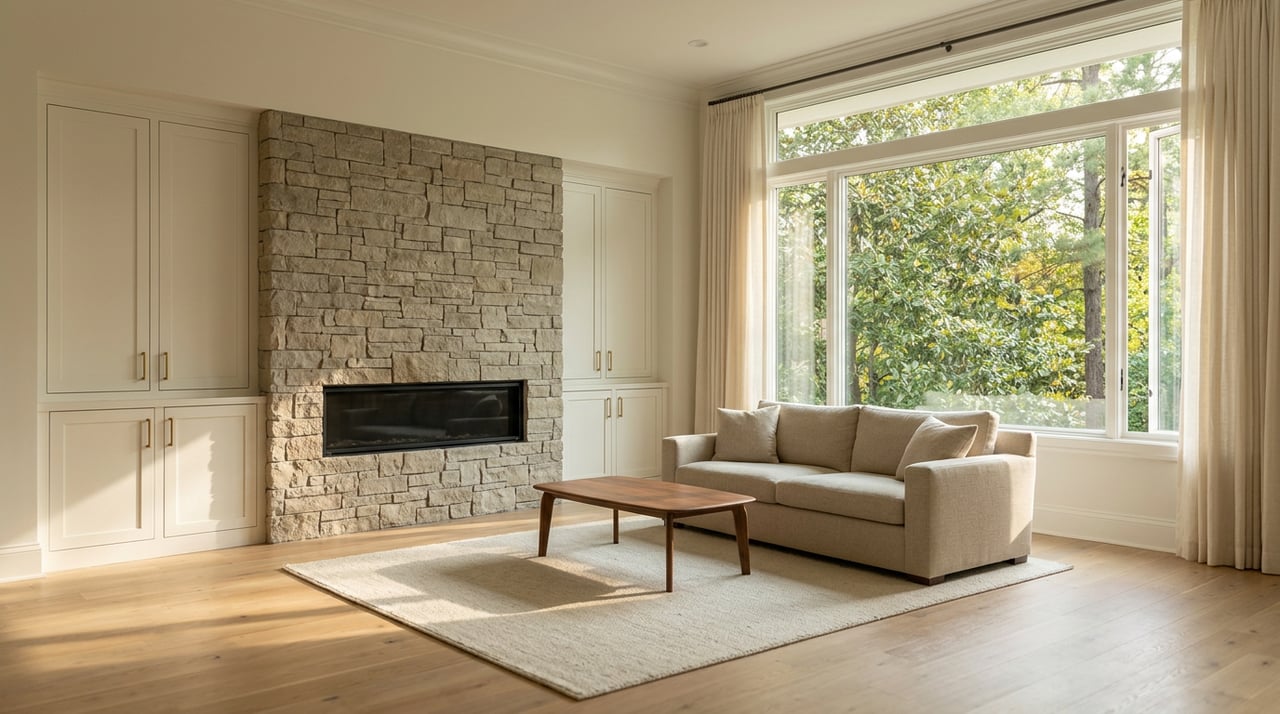
Preserve original fabric where possible and focus on safety, comfort, and marketability without erasing period details. The National Park Service recommends repair and sympathetic replacements over wholesale changes. Their guidance on energy and resilience for historic buildings is a helpful starting point. Review the NPS resource on sustainability and efficiency for historic buildings.
Buyers of historic homes respond to story as much as square footage. Capture and present:
This is where a marketing‑first approach shines. A crafted narrative, tasteful staging, and disciplined photography elevate perceived value and help buyers connect emotionally with your home’s story.
Selling a Boulevard home is equal parts care and craft. When you protect the details, prepare the right updates, and tell the home’s story with intention, you invite the right buyers and stronger offers. If you want a boutique, high‑touch plan that pairs preservation‑smart guidance with standout marketing, connect with Alissa Carrier. Let’s make your next chapter a success.
Stay up to date on the latest real estate trends.